
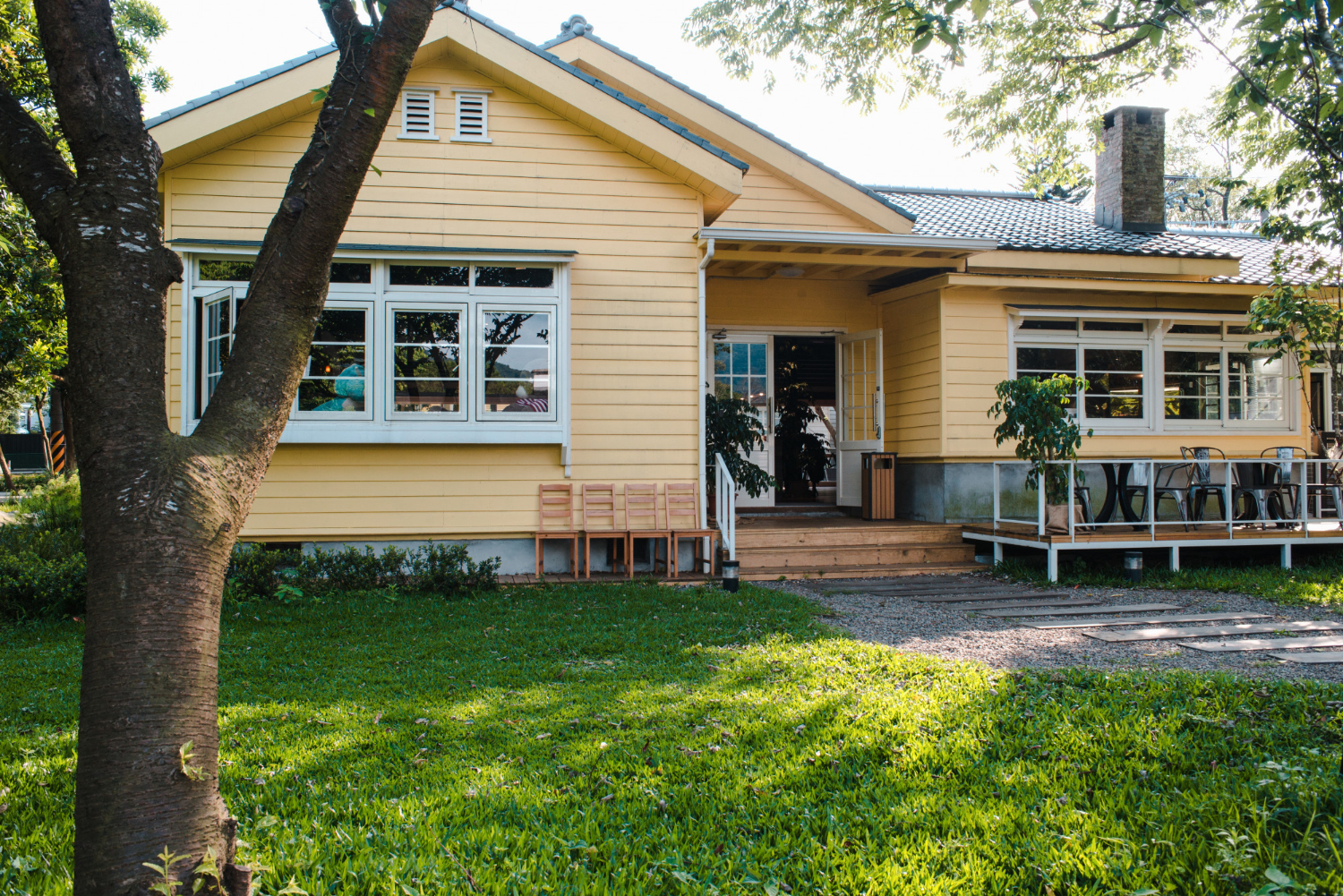
When planning a beautiful home, it’s easy to focus on furniture, paint colors, flooring, and decorations while treating the garden as a separate project. However, what happens outside can surprisingly affect your indoor environment. The trees you plant, how you manage drainage, and how close your shrubs grow to the walls can affect your home’s temperature, air quality, and maintenance needs. Some landscaping choices can make your living space more comfortable, while others may quietly contribute to dampness, pests, and other unwanted problems. Understanding the connection can help you create a home that looks great both inside and out.
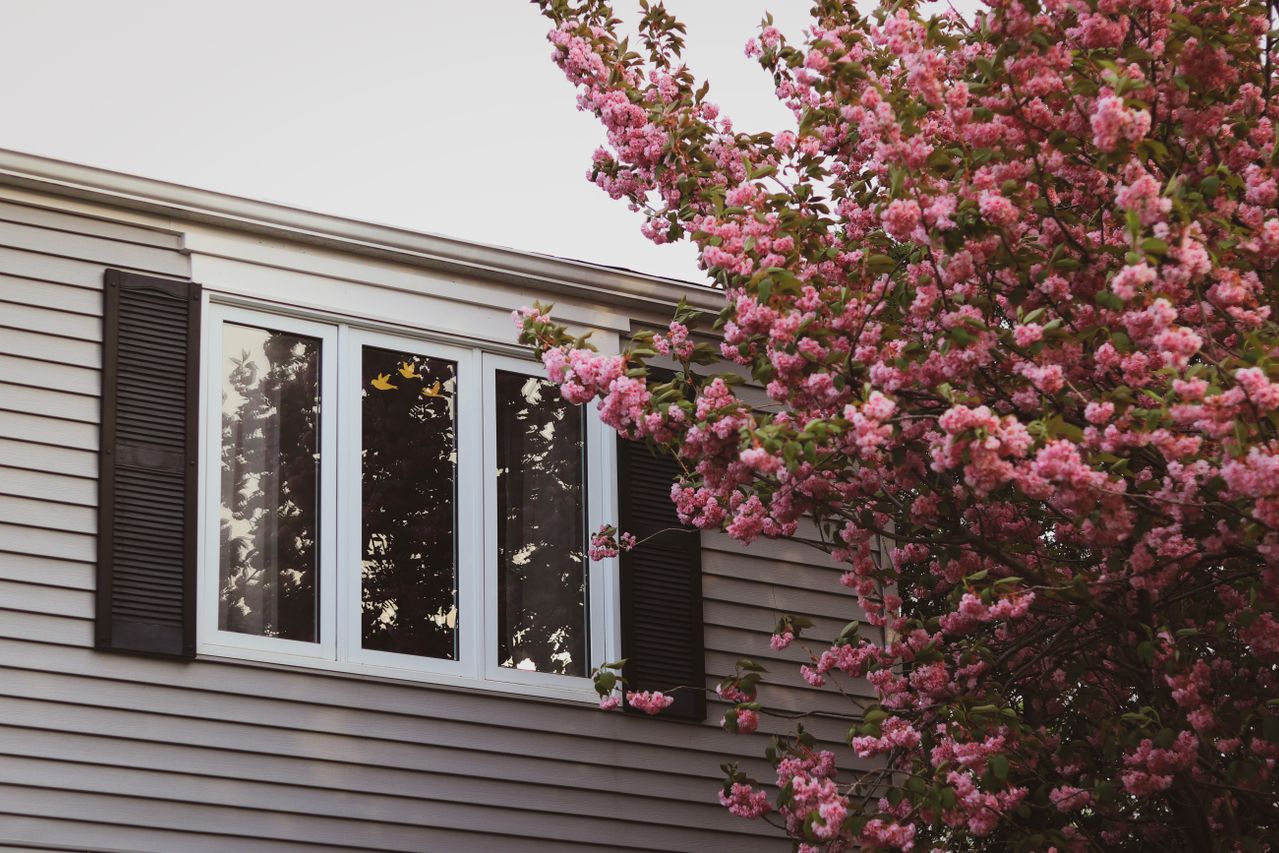
Trees Can Influence Indoor Temperatures
Planting trees in the right locations can help regulate your home’s indoor temperature. During hot weather, strategically placed trees provide shade that reduces direct sunlight hitting windows, walls, and roofs. This can help keep rooms cooler and reduce reliance on fans or air conditioning. However, placement matters. Trees that block useful winter sunlight in colder climates may make rooms feel chilly, while branches touching the roof can create maintenance concerns. Choose suitable tree species for your climate and allow enough distance from the building to accommodate their mature size.
Overgrown Plants Can Invite Unwanted Pests
A garden full of lush greenery can look beautiful, but plants growing too close to your home may create hiding places for insects and other pests. Dense shrubs, piles of leaves, and branches touching exterior walls can provide convenient routes or shelter for unwanted visitors. Some pests may eventually find their way indoors through small gaps around doors, windows, or utility openings. Trimming vegetation, removing garden debris, and keeping a clear space around the foundation can help reduce these risks. You can still enjoy a green landscape without allowing it to become a direct pathway into your home.
Poor Drainage Can Lead to Indoor Dampness
One of the most important connections between landscaping and indoor comfort involves water management. If your garden slopes toward the house or rainwater collects near the foundation, moisture may eventually enter through vulnerable areas. This can contribute to damp walls, damaged flooring, musty odors, and conditions that encourage mold growth. Make sure outdoor surfaces direct water away from the building, keep drainage channels clear, and maintain gutters and downpipes. If water repeatedly pools near your house, consider getting professional advice before the problem causes more extensive damage.
Your Garden Can Affect Indoor Air Quality
Plants and trees can create a pleasant outdoor environment, but certain landscaping choices may affect the air entering your home. Pollen-producing trees, flowering plants, and grasses can aggravate allergies for some people when pollen travels indoors through open windows or attaches to clothing. Strongly scented plants may also bother people who are sensitive to fragrances. If allergies are a concern, research suitable low-allergen plant varieties and keep windows closed during particularly high-pollen periods. Regularly clean window screens and change heating or cooling filters as recommended to help manage indoor airborne particles.
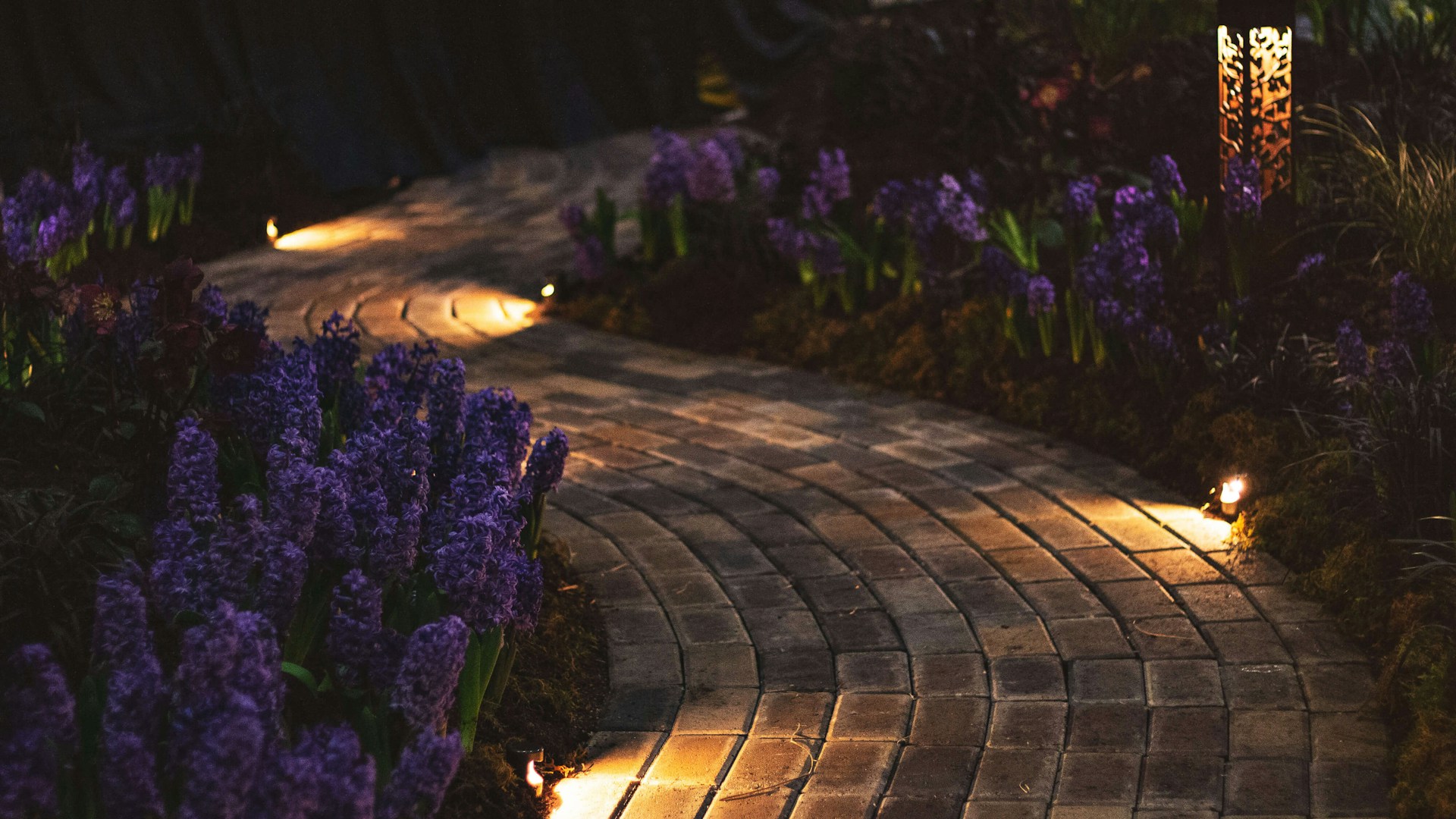
Outdoor Lighting Can Affect Your Sleep
The lighting around your property affects more than just how your home looks at night. Bright security lights, decorative garden lights, and illuminated pathways can shine through bedroom windows and interfere with a dark sleeping environment. This is especially noticeable when outdoor lights stay on all night. Shielded fixtures that direct light downward, motion sensors where appropriate, and blackout curtains can help. You’ll still have a well-lit, secure outdoor space without unnecessarily lighting up your bedrooms.
Landscaping Can Influence Privacy and Noise
The right landscaping can make your home feel more peaceful and private. Hedges, shrubs, and strategically placed trees may screen nearby properties, reduce the feeling of being overlooked, and soften some outdoor noise. This can make indoor spaces more relaxing, particularly when windows are open. However, plants alone won’t completely block loud traffic or neighborhood sounds. For better results, combine suitable greenery with fencing, thoughtful window placement, and effective window sealing. The goal is to create an outdoor layout that supports the comfort you want inside.
Landscaping is about much more than creating an attractive garden. Your choices can influence indoor temperatures, pest activity, moisture levels, air quality, lighting, and privacy. By positioning trees carefully, controlling drainage, maintaining healthy distances between plants and walls, and choosing suitable greenery, you can help prevent avoidable problems while improving your home’s comfort. Before adding new plants or redesigning your yard, consider how the changes might affect the building itself. A well-planned landscape should complement your home, making the indoor space as enjoyable as the view outside.


